
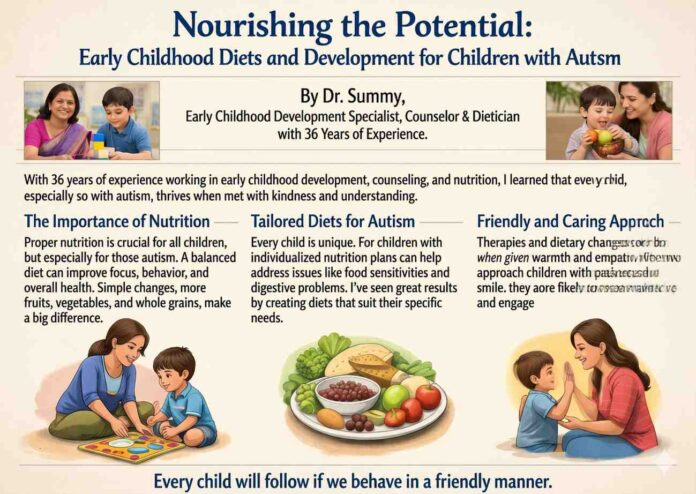

Find the best autism therapy in Keonjhar with expert guidance from a child development specialist focused on faster and effective improvement. Our therapy programs are designed to enhance speech, behavior, and cognitive skills using proven methods. We understand every child is unique, so personalized care plans ensure better learning outcomes. Parents receive support and training to continue therapy at home. Early support can make a big difference in your child’s future.
 For consultation or to share patient details, connect on WhatsApp at 9437164832 today.
Early Signs of Autism in Toddlers: When to Worry and What to Do
Autism in toddlers is one of the earliest developmental concerns that parents begin to notice, often raising questions, confusion, and anxiety about what is normal and what might need attention. During the early years of life, children typically go through rapid development in communication, social interaction, and behavior. However, when a toddler shows delays or differences in these areas, it may indicate early signs of Autism Spectrum Disorder (ASD). Recognizing these signs at the right time is extremely important, as early detection can significantly improve a child’s developmental progress through timely support and intervention.
One of the earliest and most noticeable signs of autism in toddlers is delayed speech or lack of communication. While some children may simply be late talkers, a toddler with autism may not only delay speaking but also show limited interest in communicating altogether. They might not respond when their name is called, avoid eye contact, or fail to use gestures such as pointing, waving, or nodding. In many cases, parents notice that their child does not try to share experiences or show objects to others, which is a key part of early communication development. Some toddlers may develop a few words but use them repetitively without meaningful interaction, such as echoing phrases they hear without understanding their context.
Another important sign to observe is difficulty in social interaction. Toddlers with autism may appear less interested in playing with others, including family members. They might prefer to play alone and may not engage in typical interactive games like peek-a-boo or pretend play. Unlike other children who naturally seek attention, smiles, or approval from caregivers, a child with autism may seem distant or less responsive. This does not mean they do not feel emotions; rather, they may express or process them differently. Parents often describe this behavior as the child “being in their own world,” which can be concerning if it continues over time.
Repetitive behaviors and restricted interests are also common early signs of autism. A toddler may repeatedly perform the same actions, such as lining up toys, spinning objects, or flapping their hands. These behaviors are often comforting for the child and help them manage their environment. In addition, they may develop a strong attachment to specific routines and become upset if those routines are changed. For example, taking a different route home or changing the order of daily activities may lead to distress or tantrums. This need for sameness is a key characteristic of autism and should not be ignored when observed consistently.
Sensory sensitivity is another important factor that parents should be aware of. Toddlers with autism may react unusually to sounds, lights, textures, or touch. They might cover their ears in response to normal sounds, avoid certain fabrics or foods, or show discomfort in crowded or noisy environments. On the other hand, some children may seek sensory stimulation by touching objects repeatedly, staring at lights, or enjoying spinning movements. These sensory differences can affect daily life and behavior, making it essential for parents to understand and manage them appropriately.
Many parents often wonder when they should start worrying about these signs. It is important to remember that every child develops at their own pace, and not all delays indicate autism. However, if multiple signs are present consistently over time, it is advisable to seek professional guidance. Key red flags include no babbling by 12 months, no meaningful words by 16 months, lack of response to name, absence of gestures, and limited social interaction. Trusting parental instincts is crucial—if something feels unusual, it is better to evaluate early rather than wait.
Early detection plays a vital role in improving outcomes for children with autism. The brain is most adaptable during the early years, which means that early intervention can help children develop communication, social, and behavioral skills more effectively. Intervention does not mean forcing the child to change but rather supporting their development in a structured and understanding way. Therapies such as speech therapy, occupational therapy, and behavioral therapy are commonly used to address specific challenges and build essential skills. These therapies are most effective when combined with consistent practice at home.
Parents play a central role in supporting their child after early signs are identified. Creating a structured and predictable environment helps reduce anxiety and improves learning. Simple routines, such as fixed times for meals, play, and sleep, provide a sense of security. Communication should be clear and simple, using short sentences, gestures, or visual aids to help the child understand better. Giving the child enough time to respond is equally important, as toddlers with autism may take longer to process information. Patience and consistency are key elements in this process.
Positive reinforcement is another powerful strategy that parents can use. Encouraging and rewarding small achievements helps build confidence and motivates the child to learn new skills. For example, if a child attempts to communicate or completes a simple task, acknowledging their effort can create a positive learning experience. Over time, these small steps lead to significant progress. It is also important to focus on the child’s strengths, as many children with autism show strong abilities in areas such as memory, patterns, music, or visual learning.
Emotional support and a loving environment are equally important in a child’s development. Toddlers with autism may not always express affection in typical ways, but they still need warmth, care, and understanding. Spending quality time, engaging in activities they enjoy, and maintaining a calm and supportive atmosphere can help build trust and emotional connection. Parents should avoid comparing their child with others, as each child’s journey is unique. Progress may be slow, but it is meaningful and valuable.
Lifestyle factors such as nutrition, sleep, and physical activity also play a role in overall development. A balanced diet supports brain function and energy levels, while proper sleep helps improve attention and behavior. Physical activities, even simple play, can enhance coordination and reduce stress. Maintaining a healthy routine ensures that the child is physically and mentally prepared for learning and interaction.

If parents notice persistent developmental concerns, seeking professional help is an important step. Early evaluation and guidance can provide clarity and direction for the child’s development journey. For support or to share patient details, you can connect via WhatsApp at 9437164832.
In conclusion, recognizing early signs of autism in toddlers is not about creating fear but about empowering parents with knowledge and awareness. Early action can make a significant difference in a child’s ability to communicate, learn, and interact with the world. With the right support, patience, and care, children with autism can achieve meaningful progress and lead fulfilling lives. Every small step forward is a milestone, and with early understanding, parents can guide their child toward a brighter and more confident future.