
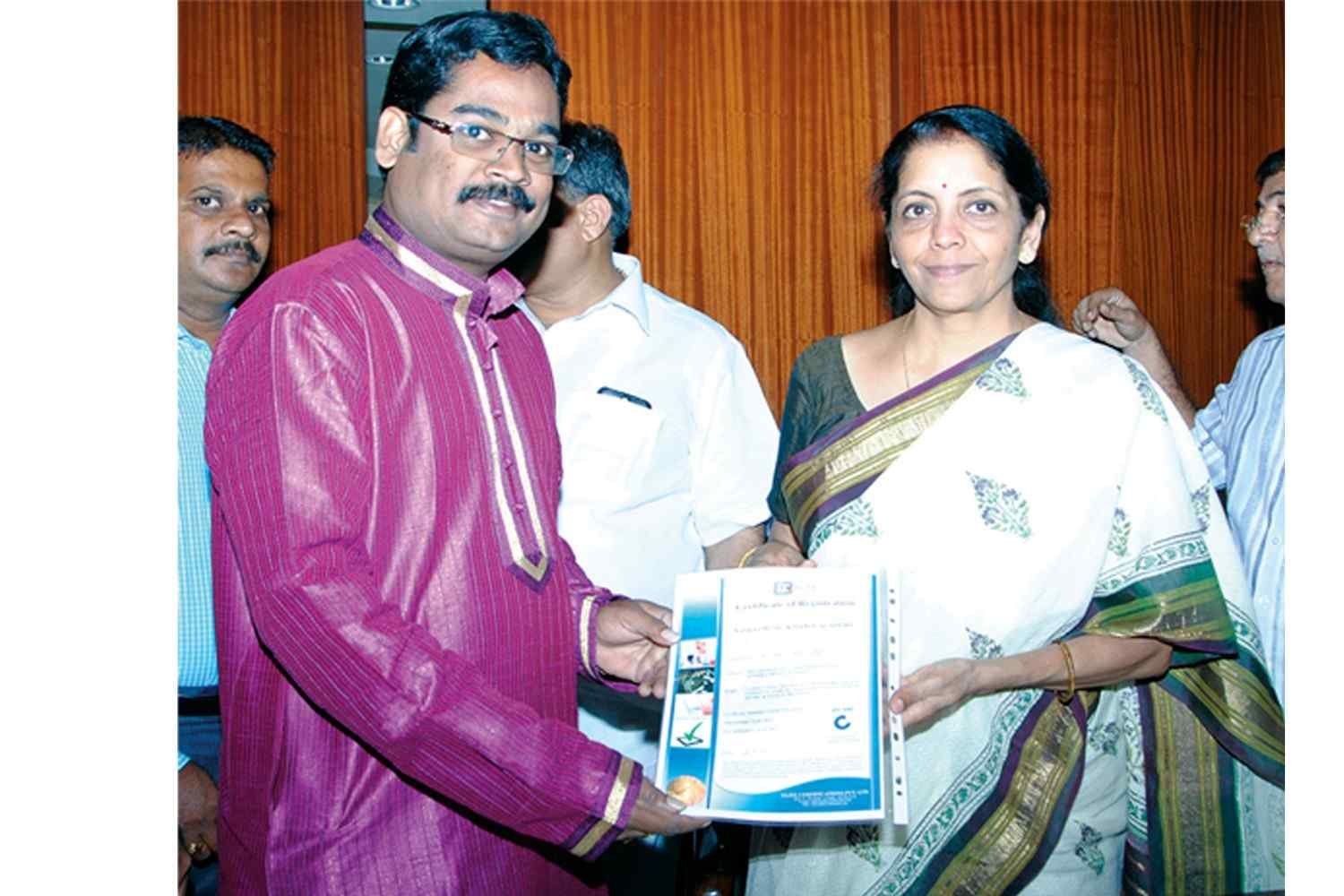

India has a vast network of classical dance festivals, with organisers working across different cities, institutions and artistic communities. While these festivals create important opportunities for performers, their organisers often face similar challenges involving artist coordination, funding, institutional support, visibility and long-term sustainability. Recognising the need for greater cooperation, cultural organiser and Kuchipudi exponent Vikram Kumar B R, popularly known as Bathina Vikram Goud, became associated with the development of the Federation of Classical Dance Festival Organisers (FCDFO).
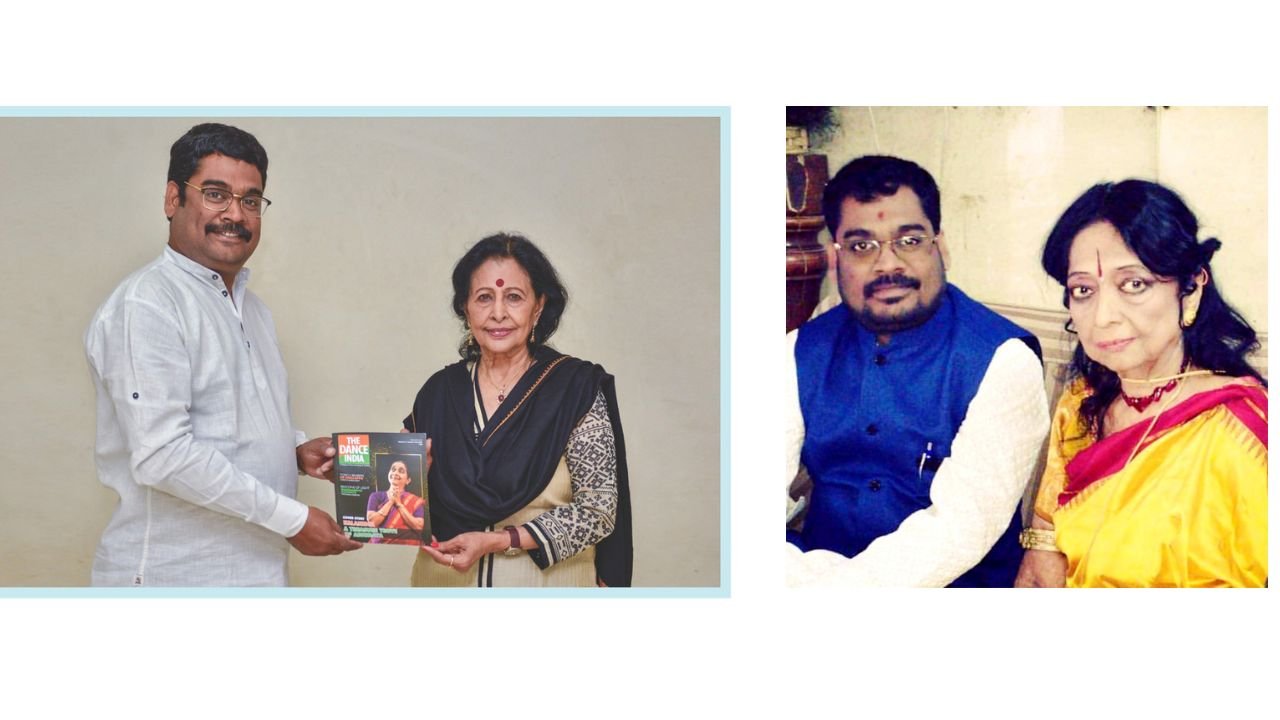
The federation emerged from the understanding that festival organisers could achieve more by working collectively rather than operating entirely as independent entities. Classical dance festivals may have different regional identities and artistic priorities, but many of the practical challenges they face are shared.
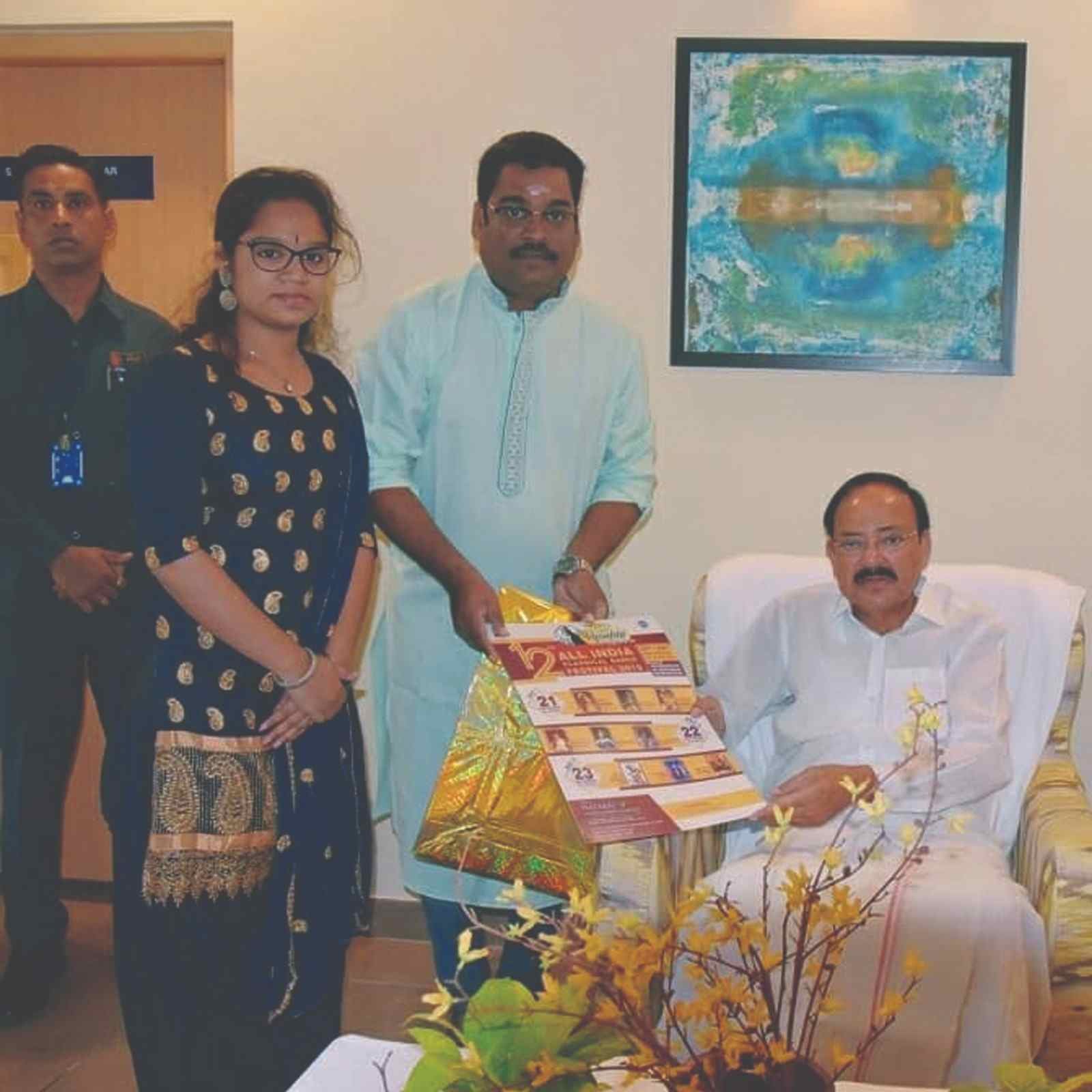
The concept behind FCDFO is therefore based on cooperation. By bringing festival directors and cultural organisations together, the federation seeks to create a stronger network for the promotion of Indian classical dance and provide a collective platform for discussing issues affecting the performing-arts ecosystem.
One of the key objectives is to encourage collaboration among festival organisers. Sharing knowledge, experience and resources can help cultural organisations improve the quality and sustainability of their programmes. It can also create opportunities for artists to access a wider network of festivals and audiences.
For Vikram Kumar B R, this kind of institutional cooperation represents an important extension of his own experience in festival organisation. His work has included several platforms covering classical dance, music, youth talent and international cultural exchange. These initiatives have provided practical insight into the complexities involved in sustaining cultural programmes.
FCDFO places particular importance on creating sustainable platforms for artistes. A dancer’s professional journey depends heavily on opportunities to perform, but festivals themselves require organisational structures, financial planning, institutional relationships and long-term commitment. A collective network can help address these requirements more systematically.
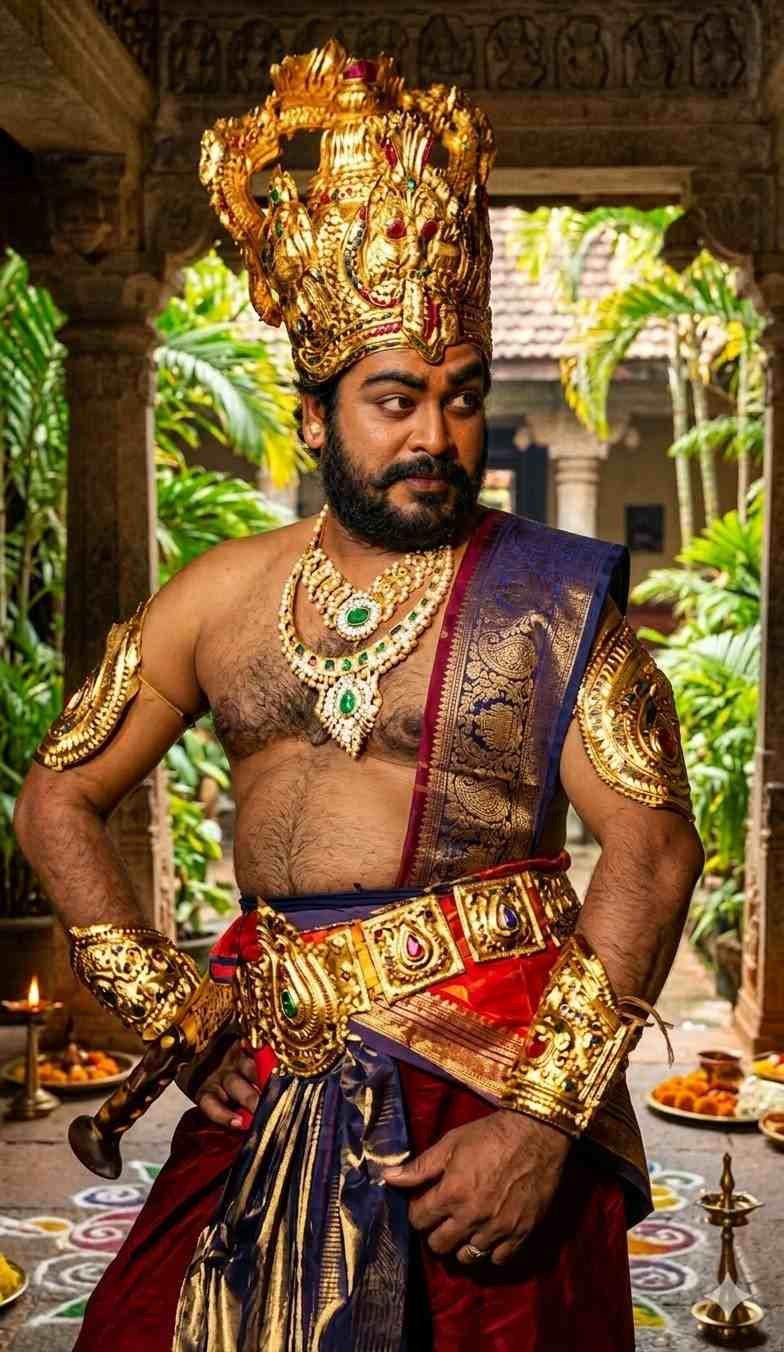
Another important aspect of the federation is artist welfare. Classical performers often work across different organisations and regions, and their professional needs extend beyond the stage. A stronger network of organisers can create greater awareness about fair opportunities, artist support and the responsibilities of cultural institutions.
The federation’s vision also includes knowledge sharing among organisers. Different festivals develop different methods of programming, audience engagement, artist selection and cultural presentation. Bringing organisers together can allow successful practices to be exchanged while helping individual organisations learn from common challenges.
Youth development forms another significant part of this larger ecosystem. Scholarships, fellowships and structured opportunities for emerging artistes can help create a continuum from student training to professional performance and eventually cultural leadership.
This approach reflects Vikram Kumar B R’s broader belief that preservation of Indian classical dance cannot depend on performers alone. Teachers, artists, researchers, organisers, institutions, audiences and administrators all contribute to the survival of a cultural tradition.
The need for such an ecosystem has become increasingly important as cultural organisations operate in an environment shaped by changing audience habits, digital media and evolving funding structures. Classical dance requires both respect for tradition and modern organisational thinking to remain sustainable.
FCDFO seeks to address this challenge by giving festival organisers a common platform. Instead of viewing individual festivals as isolated events, the federation encourages a more connected approach to cultural development.
For Vikram Kumar B R, the initiative fits naturally within a career devoted to institution building and cultural promotion. From the Nataraj Music and Dance Academy to national and international festivals, youth programmes and cultural publications, his work has repeatedly focused on creating structures through which traditional arts can continue to flourish.
The Federation of Classical Dance Festival Organisers therefore represents more than an association of festival directors. It reflects a larger vision in which India’s classical dance community can strengthen itself through cooperation, shared knowledge and collective responsibility.
By encouraging festival organisers to work together, FCDFO aims to create a stronger foundation for artists and cultural institutions alike. Its underlying message is clear: preserving India’s classical dance heritage requires not only talented performers, but also a connected and sustainable cultural ecosystem capable of supporting them for generations to come.