
A Parent’s Guide to Support and Inclusion
Autism is not a disease — it is a neurological difference that shapes how children learn, communicate, and experience the world. As parents, understanding this perspective is the foundation for helping your child thrive.
Key Principles for Parents
- Acceptance: Celebrate your child’s individuality instead of trying to “fix” them.
- Patience: Progress may take time, but every small step matters.
- Consistency: Routine and predictability help children feel secure.
- Collaboration: Work closely with teachers, therapists, and caregivers to create a supportive environment.

🌟Building on Strengths
Autistic children often have unique talents. Some may excel in mathematics, others in art, music, or technology. Encouraging these strengths boosts confidence and helps them shine.
- 📚 Practical Parenting Strategies
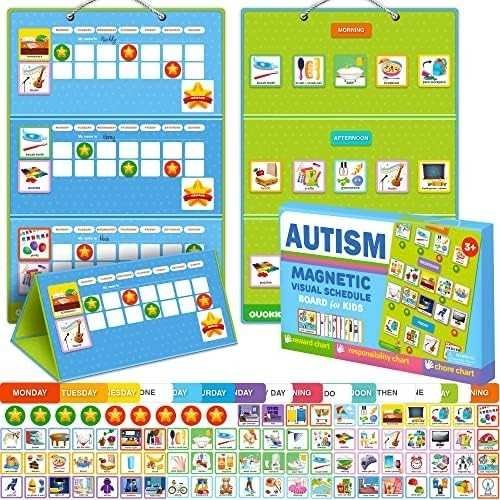
- Visual aids: Use charts, pictures, and schedules to explain routines.
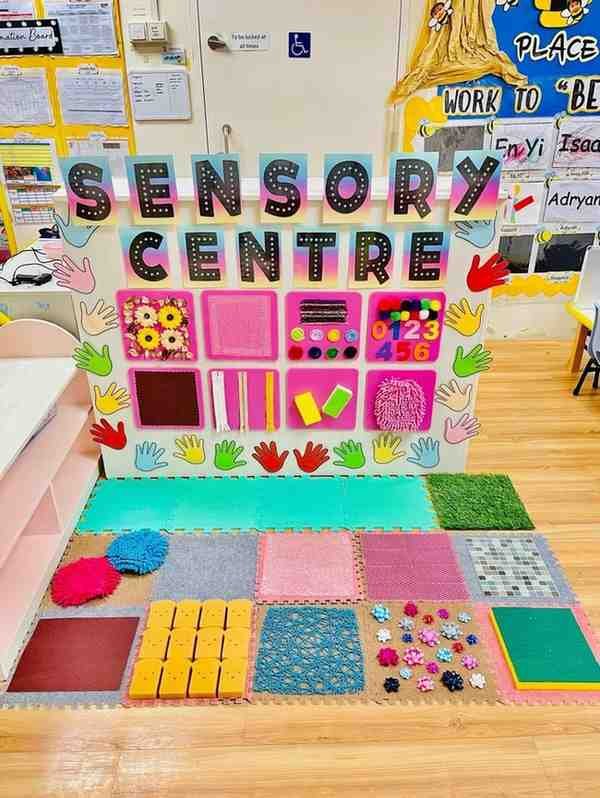
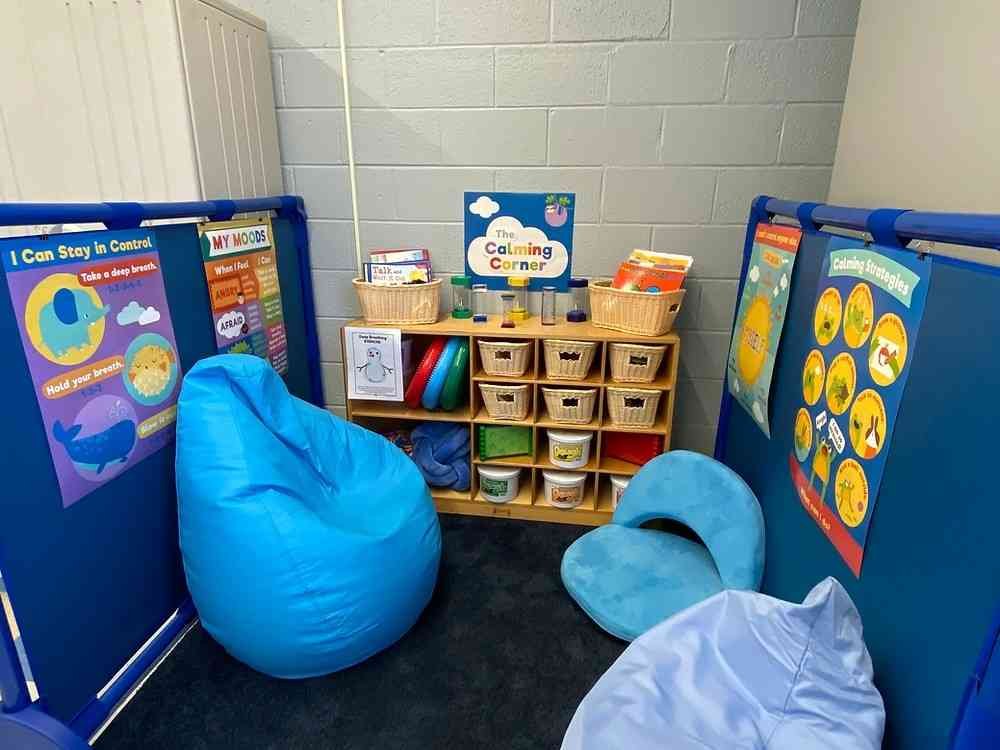
- Sensory-friendly spaces: Create calm areas at home with soft lighting and minimal noise.
- Positive reinforcement: Celebrate achievements, no matter how small.
- Play-based learning: Use games and creative activities to teach skills.
- Social practice: Role-play everyday situations to build confidence.
🗓️ Daily Routine Plan
- A predictable routine helps children feel safe and reduces anxiety.
Morning:
- Wake-up consistency at the same time daily.
- Visual schedule for brushing teeth, dressing, and breakfast.
- Calm start with soft music or gentle lighting.
- School Preparation:
- Structured checklist for packing essentials.
- Predictable transport to reduce stress.
Positive reinforcement for completing tasks.
- Learning & Play:
- Strength-based activities like puzzles, drawing, or music.
- Play-based learning to build social skills.
- Sensory breaks with calming toys or quiet spaces.
Evening:
- Relaxation time with reading or drawing.
- Family bonding through meals or storytelling.
- Bedtime consistency with a calming ritual like a warm bath.
Final Thought: Autism is not a limitation — it is a different way of seeing the world. With love, patience, and the right teaching methods, parents can help their children thrive. The journey is about inclusion, not conformity.
Dr. Sumita Biswas
Early Childhood Counselor
📞 WhatsApp Consultation: 9437164832
Website https://drsummysdevelopmentalcenter.in